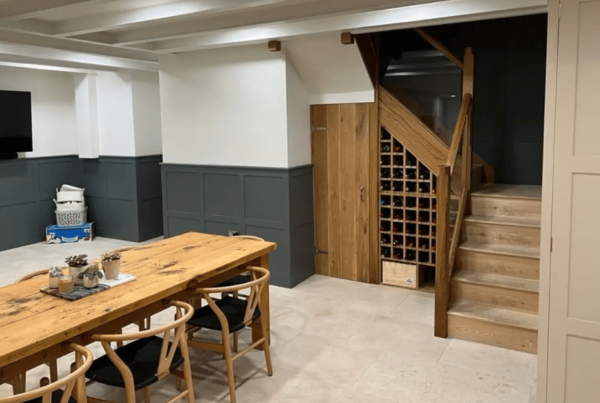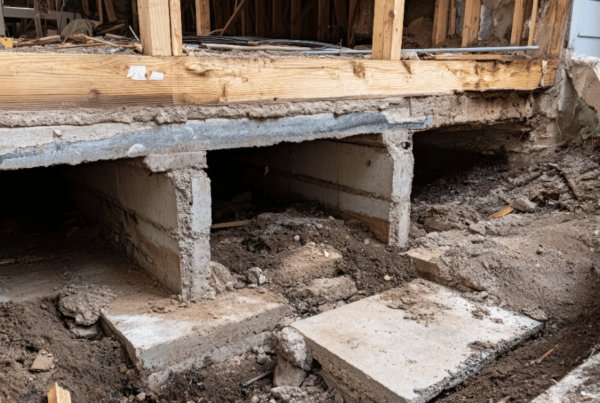

Basement waterproofing is essential for protecting your London property from the damaging effects of water ingress and damp. However, many homeowners don’t realise that effective waterproofing relies on more than just applying a waterproof coating or membrane. A well-designed drainage system is often the cornerstone of successful basement waterproofing, working behind the scenes to manage groundwater and prevent moisture accumulation.
Understanding the vital role that drainage plays in keeping your basement dry can help you make informed decisions about protecting one of your property’s most vulnerable spaces.
Why Are Basements So Susceptible to Water Problems?
Basements and cellars face unique challenges simply because of their below-ground position. They sit beneath the water table level, which means they’re constantly under pressure from groundwater in the surrounding soil. This hydrostatic pressure pushes moisture towards any available entry point, whether that’s through tiny cracks in the masonry, gaps around service pipes, or even through seemingly solid concrete.
Without proper water management, this relentless pressure will eventually find a way in, leading to damp patches, standing water, and all the associated problems that come with excess moisture. The reality is that basements need a defence system, and drainage is a fundamental part of that protection.
How Do Drainage Systems Work with Basement Waterproofing?
Drainage systems and waterproofing work hand-in-hand to keep your basement dry and habitable. Think of waterproofing as your first line of defence – it prevents water from penetrating the structure. However, drainage systems provide the crucial backup, managing any water that does make it through or accumulates behind the waterproofing.
Modern basement waterproofing often combines both elements for maximum effectiveness. For instance, Type C cavity drain systems incorporate drainage channels as an integral part of the waterproofing solution. These systems allow any water that penetrates the outer structure to flow down behind a protective membrane, where it’s safely channelled away to a collection point and removed via a pump system. This dual approach addresses both the symptoms and the ongoing challenge of groundwater pressure.
What Types of Drainage Systems Are Used in Basements?
There are two main categories of drainage systems used for basement protection: internal and external systems, each serving distinct purposes.
Internal drainage systems
Internal drainage systems are installed within the basement space itself, typically around the perimeter of the floor. These systems collect water that has already entered the structure and direct it towards a sump pump, which then expels it away from the property. Internal systems are particularly valuable when external excavation isn’t feasible – perhaps because your property is terraced, you have limited access, or there are existing structures that make external work impractical.
Many modern internal systems are remarkably unobtrusive once installed and can be integrated seamlessly into basement conversions.
External drainage systems
External drainage systems, on the other hand, are designed to intercept water before it ever reaches your basement walls. These are installed around the outside of your foundation during excavation work, directing water away from the structure entirely.
Whilst external systems typically require more extensive work and investment, they provide excellent long-term protection by addressing the problem at source. External drainage is often combined with external waterproofing membranes for comprehensive protection.
What Happens When Drainage Systems Fail?
The consequences of inadequate or poorly maintained drainage can be severe and costly. Water that isn’t properly managed will accumulate around your foundation, increasing hydrostatic pressure and eventually forcing its way through any weakness in the structure. This can lead to persistent damp problems, structural deterioration of masonry and timber, black mould growth that poses health risks, and damage to your possessions stored in the basement.
In extreme cases, drainage failure can result in basement flooding, causing thousands of pounds in damage and potentially affecting your property’s structural integrity. Prevention is always more cost-effective than dealing with water damage after the fact.
When Should You Seek Professional Basement Waterproofing Advice?
If you’re experiencing any signs of water ingress in your basement (from damp patches and musty odours to visible water pooling), it’s always advisable to seek expert assessment. Even minor dampness can indicate a more significant underlying problem that will only worsen over time.
Our CSSW-accredited surveyors can conduct a thorough assessment using electronic moisture detection equipment to identify the root cause of your basement’s moisture issues and recommend the most effective solution. Not all damp problems require extensive drainage work – we’ll always give you an honest opinion about what’s actually needed for your property.
Professional Basement Waterproofing with Refresh PSC
With over 50 years of combined experience providing basement waterproofing throughout London and the South East, Refresh PSC understands the critical role that drainage plays in keeping basements dry and protected. We’re registered installers of Oldroyd, Safeguard and Delta membrane waterproofing systems, and all our work is fully compliant with British Standards (BS8102). We provide 10-year guarantees on our waterproofing installations, giving you complete peace of mind.
Our honest, transparent approach means we’ll never recommend unnecessary work – if your basement needs comprehensive drainage and waterproofing, we’ll explain exactly why and what’s involved. Contact us today to speak with a specialist, or fill out our contact form to arrange a no-obligation survey and find out how we can help protect your property.