
There are many reasons you may want to convert your basement. It can add extra living space to your home and be more cost-effective than moving house or building extensions from scratch. But basement conversions go beyond a simple redecorating. They require compliance with regulations to ensure the space is safe, habitable, and structurally sound.
Understanding which regulations apply to your project can feel overwhelming. Keep reading to gain a better insight into the key regulations when converting a basement, when approval is needed, and how it affects your project.
Building Regs Basement Conversion: Are They Needed?
You'll need Building Regulations approval when converting a basement or cellar into habitable space. This applies whether you're creating a bedroom, bathroom, home office, playroom, or any other living area. Building Regulations are designed to help ensure your converted basement meets minimum safety and construction standards. Under the Building Regulations 2010, it encompasses properties where work involves the following:
- Building or extending a property
- Adding a controlled service
- Material adjustments
- A change of use
- Adding insulating material
- Heating or electrical alterations
- Building underpinning
- Energy performance improvements
When applying, you'll likely need to submit either a Full Plans Application or Building Notice to your local authority building control department before work begins. An approved inspector can also handle this process.
Are UK Basement Regulations and Planning Permission the Same?
Building Regulations and planning permission requirements can differ. But both are important in ensuring that any basement work done is legal and approved.
- Planning permission considers the impact on your property's appearance, neighbouring properties, and the local area. Many existing basement conversions may not require planning permission. If you need to adjust the ceiling height, dig up, or build, permission is likely required.
- Building Regulations focus on the way work gets done. They ensure construction meets safety, energy efficiency, and accessibility standards. Most likely, you'll need approval for Building Regulations for a basement conversion into a livable space.
Before any work, make sure to check with your local planning authority to confirm whether permission is needed. This is particularly important if you're making external changes like adding windows or creating light wells.
Which Basement Conversion Building Regulations Apply?
Several Approved Documents provide guidance on meeting Building Regulations requirements when transforming your basement.
Part A – Structure
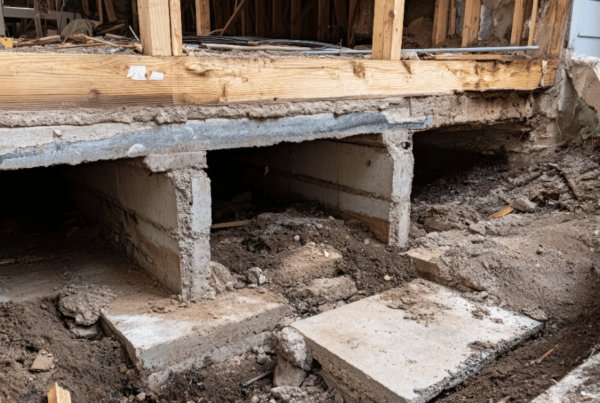
Basement conversions shouldn't compromise the structural integrity of your property. If you need to excavate, underpin, or alter anything that affects load-bearing walls, it requires careful assessment. This is particularly important for properties on clay, sand, or previously dug-up ground. Additional challenges and costs can arise when the foundation is made up of less sound materials like this.
Part B – Fire Safety
Part B outlines requirements for protecting occupants, which include proper means of escape if a fire breaks out.
Basements converted to habitable use must have one of the following:
- Emergency escape window or external door – This must provide escape from the basement to the ground level.
- Protected stairway – A fire-resistant stairway leading from the basement to a final exit is needed. This may call for a separate path from the rest of the house using an approved fire door.
Ceiling areas within the basement may need upgrading to fire-resistant materials, too. Mains-operated and interlinked smoke detectors should be installed on the ground-floor hallway and first-floor landing. If the basement includes a kitchen, it's helpful to add a heat detector.
Part C – Site Preparation and Moisture Resistance
Since moisture, like condensation, is common in below-ground spaces, Part C addresses protection against this. Basement waterproofing can help prevent dampness, water ingress, and resulting problems like mould growth and structural deterioration. Professional basement waterproofing creates a dry, healthy living environment and must comply with BS8102(2022) standards.
Part F – Ventilation
Basements naturally have reduced air exchange, and Part F sets requirements for both background ventilation and rapid ventilation. These ensure better air quality, even in basement conversions.
You'll typically need background ventilators that offer airflow of 8,000mm² for habitable rooms and kitchens. Bathrooms need 4,000mm². You'll also need rapid ventilation, which includes controllable options such as opening windows.
Basements with large permanent openings to the rest of the house can be considered part of the whole dwelling's ventilation strategy. Isolated basements may require mechanical ventilation systems.
Part H – Drainage and Waste Disposal
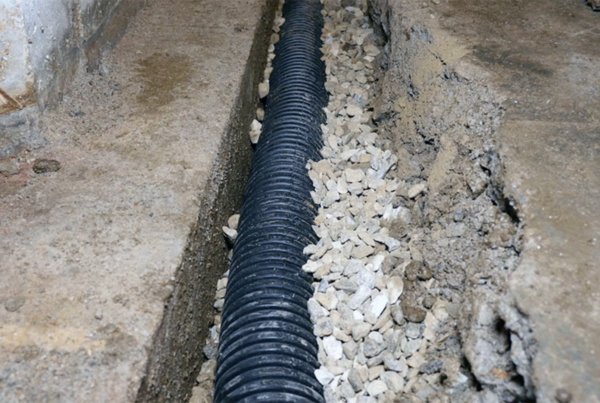
Drainage is particularly important if your basement includes bathrooms or kitchens. Cavity drain membrane waterproofing systems commonly use sump and pump arrangements to redirect water safely. When considering where the basement's wastewater expels, consider health, safety and drainage that doesn't contaminate the water supply or any underground watercourse.
Part L – Conservation of Fuel and Power
Thermal insulation helps prevent heat loss and ensures energy efficiency. You'll need adequate insulation for the basement walls, floors, and ceilings. The insulation must be compatible with your waterproofing system to help avoid moisture risks and thermal bridges. New timber windows should achieve a U-value of 1.4 W/(m2·K) or Window Energy Rating Band B. The basement should include energy-efficient fixtures, like lighting.
Part E – Resistance to Sound
Sound insulation is especially relevant if you're converting a basement beneath living areas. This includes a bedroom or other room that shares internal walls or floors with the basement. Reasonable soundproofing may influence the construction between your basement and the ground floor. This is even more applicable when converting a basement not previously used as a living space.
Part P – Electrical Safety
Electrical work you might need in a converted basement can include wiring, lighting, power sockets, and any pumping systems required for waterproofing or drainage. Electrical work should always be carried out by qualified electricians to ensure safety and compliance. In cavity drain membrane systems, all power points, cables, and light switches must be mounted in front of the waterproof membrane.
Do I Need to Take the Party Wall Act Into Account?
The Party Wall Act 1996 is separate from Building Regulations, yet it's equally important for terraced and semi-detached properties. It can form part of the building control requirements for the basement, so you may need to follow them.
If your basement conversion involves structural work on walls shared with neighbours, you must serve notice. You need to obtain agreement at least two months before work begins. Any delay or issue with complying can delay your project considerably.
Professional Basement Conversions From Refresh
Meeting Building Regulations does more than tick a few boxes – it helps you create safe, dry, comfortable environments that add genuine value to your property. Refresh PSC has over 30 years of experience transforming damp cellars into beautiful, functional spaces throughout London. We're registered installers of Oldroyd, Safeguard, and Delta membrane waterproofing systems.
Our comprehensive service addresses every aspect from initial surveys through to final fit-out. All our cellar conversions come with 10-year guarantees for added peace of mind. If you're considering converting your London basement, contact our team for a no-obligation consultation or complete our form to speak with one of our specialists.