
Converting a basement is a big investment. It creates valuable new living space in your home. But without proper ventilation, even the best-designed conversion can have problems. Basement ventilation protects your property, your health, and keeps the space in quality technical condition.
Basements sit below ground level, so they’re more prone to moisture build-up and poor air circulation. Without proper basement ventilation after conversion, everyday living can quickly lead to condensation, dampness, and mould. Understanding why airflow matters, and how it works with waterproofing, helps keep your converted basement dry, comfortable, and usable for years.
Why Is Basement Ventilation So Important After Conversion?
Once a basement is converted into a living space, the moisture levels inside change. Normal daily activities like breathing, showering, cooking, or drying clothes release moisture into the air. In rooms above ground, this moisture usually escapes easily, but in a basement, it often has nowhere to go.
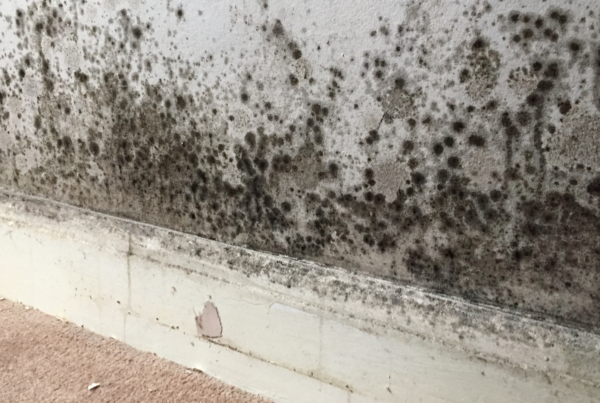
Without suitable ventilation, humid air gets trapped. Over time, this creates conditions for condensation, mould, and poor air quality. In spaces where people spend a lot of time, this can affect comfort and, sometimes, health.
Adequate basement ventilation helps in several ways:
- Reduces condensation on walls, windows, and ceilings
- Stops mould and mildew from forming on finishes and furnishings
- Gets rid of musty smells and stale air
- Protects decorative finishes and building materials
- Improves air quality and comfort
Condensation problems can occur in recently converted below-ground spaces where ventilation has been overlooked or poorly designed, emphasising basement airflow importance.
What Are the Key Basement Ventilation Considerations?
Basement ventilation requirements are two-fold. They need systems that remove moisture-laden air and bring in fresh air. The right solution depends on how you use the basement, its layout, and whether you have external walls or openings.
Natural Ventilation
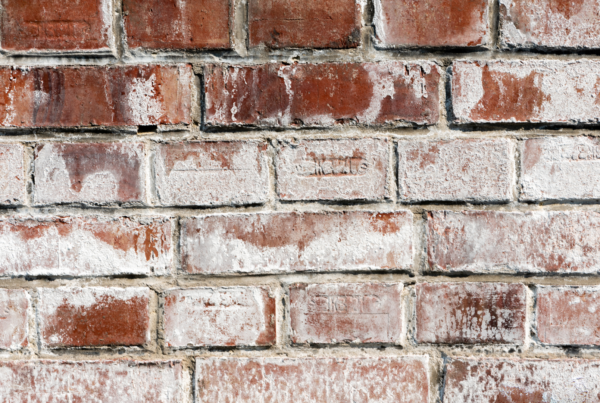
Natural ventilation uses passive airflow to move air through the basement. This can include windows or light wells where structurally possible. Air bricks positioned to encourage cross-ventilation are effective, preventing dampness in converted basements. Trickle vents in window frames and door undercuts let air move between rooms.
While beneficial, natural ventilation is often limited in fully converted basements, especially where external access is restricted or the space is used regularly.
Mechanical Ventilation
For more consistent and reliable airflow, mechanical ventilation is a popular solution. These systems actively manage moisture levels regardless of weather or how much the space is used. Ventilation plays an important role in meeting building regulations and keeping the space safe and comfortable.
Common mechanical solutions include continuous mechanical extract ventilation (MEV), positive input ventilation (PIV) systems, heat recovery ventilation (HRV) systems, and local extractor fans in bathrooms or utility areas.
How Ventilation Works With Basement Waterproofing
Ventilation and waterproofing aren’t alternatives – they work together. Basement waterproofing systems stop external moisture from entering the structure. Depending on your property, this may involve Type A barrier systems, Type B structurally integral protection, or Type C cavity drain membrane systems. The best approach depends on factors like ground conditions, construction type, and location.
However, even the strongest waterproofing system can’t control the damp generated inside the space. People produce several litres of water vapour each day through normal living. Without sufficient airflow, this moisture will condense on colder surfaces, especially external walls and corners.
By combining professional waterproofing with well-designed ventilation, you manage external water getting in and internal moisture building up. This gives your basement long-term protection.
What Happens If Basement Ventilation Is Poor?
Poor ventilation systems rarely cause immediate problems. Instead, issues develop slowly and worsen over time.
Warning signs include
- Regular condensation on windows or walls
- Persistent musty smells
- Black mould forming in corners or behind furniture
- Peeling paint or bubbling wallpaper.
- Worsening air quality and discomfort
These problems are often more noticeable in winter when warm indoor air meets cold external surfaces.
Expert Basement Advice From Refresh
A successful basement conversion is visually appealing and safe. With careful planning around moisture control, waterproofing, and ventilation, you can help ensure your space is comfortable from the start.
At Refresh Property Services & Consultants, we bring over 30 years’ experience delivering basement conversions and condensation fixes across London and the South East. As registered installers of Oldroyd, Safeguard, and Delta membrane waterproofing systems, we make sure ventilation and waterproofing work together effectively. Every conversion is designed to be practical, durable, and compliant. All our basement conversion work comes with a 10-year guarantee, giving you confidence in your investment.
If you’re planning a basement conversion or have concerns about ventilation in an existing space, we’re always happy to offer honest, professional advice. Contact us today to speak with a specialist – we’ll help you find the solution that’s best for your property; no pressure or unneeded work.