
Winter brings shorter days, colder temperatures, and unfortunately for many UK homeowners, an increased risk of damp problems. Understanding why damp issues intensify during the colder months, and knowing how to prepare your property, can save you from costly repairs and help maintain a healthy, comfortable home.
With extensive experience in treating damp in properties, we’ve seen firsthand how seasonal changes impact homes. Below, we provide practical steps to protect your property before problems take hold.
Why Does Damp Worsen During Winter?
The winter months create a perfect storm of conditions that exacerbate damp problems in UK homes. Cold temperatures mean we keep windows and doors firmly shut, trapping moisture-laden air inside our properties. This is compounded by everyday activities like cooking, showering, and drying clothes, which all release significant amounts of water vapour into the air. When this warm, moist air meets cold external walls and single-glazed windows, condensation forms readily, creating the ideal environment for mould growth and damp patches.
Additionally, winter weather brings persistent rainfall and storms that test your property’s defences. Damaged roof tiles, blocked gutters, and deteriorating pointing all provide pathways for penetrating damp to enter your home. Ground saturation from prolonged wet weather can also push moisture up through walls via capillary action, particularly in older properties without adequate damp proofing. The combination of external moisture ingress and internal condensation makes winter the prime season for damp-related issues.
How Can Better Ventilation Help During Winter?
It might seem counterintuitive when temperatures drop, but maintaining good ventilation throughout winter is essential for controlling moisture levels in your home. Opening windows on opposite sides of your property for short periods allows for effective cross ventilation, letting moisture escape while refreshing the air. This doesn’t mean leaving windows open all day – even ten to fifteen minutes of focused ventilation can make a significant difference to indoor humidity levels.
Installing dedicated ventilation units provides a more controlled solution to condensation problems. Positive Input Ventilation systems continuously introduce fresh, filtered air into your home, while passive options like Perma-Vent units offer affordable, effective ventilation without running costs. These systems work particularly well in properties prone to condensation, helping to maintain healthier air quality throughout the colder months without the draughts associated with simply opening windows.
Should You Keep Your Heating Running Regularly?
Establishing a consistent heating routine during winter is crucial for preventing condensation and damp formation. Your property needs regular warmth to maintain steady internal temperatures and reduce the temperature differentials that cause condensation. Setting your heating to come on for short periods throughout the day, even when you’re out, helps keep walls and surfaces warm enough to prevent moisture from condensing on them.
This approach is particularly important during severe weather or extended cold snaps. An unheated property quickly becomes cold and damp, with moisture accumulating on walls, windows, and in corners where air circulation is poor. The small additional cost of running your heating more regularly is far outweighed by the expense of treating established damp problems later. Keep radiators clear of furniture and belongings to allow heat to circulate properly and warm your entire home efficiently.
What External Checks Should You Complete Before Winter?
Preparing your property’s exterior before winter weather arrives can prevent many penetrating damp problems”
- Start by inspecting your roof from both inside and outside – damaged or slipped tiles provide easy entry points for rainwater, and even small leaks can cause significant problems over time. Check your loft space for signs of water ingress, particularly after rainfall, and arrange repairs promptly if you spot issues.
- Cleaning gutters is one of the most effective preventative measures you can take. Blocked gutters overflow during heavy rain, sending water cascading down exterior walls where it can penetrate through brickwork or around windows. Clear out leaves, debris, and any vegetation growing in the guttering, and repair any cracks or damaged sections.
- While you’re inspecting the exterior, look for overhanging branches or vegetation touching your walls – wet foliage creates perpetually damp conditions that can lead to penetrating damp and even affect internal timber structures.
When Should You Seek Professional Help?
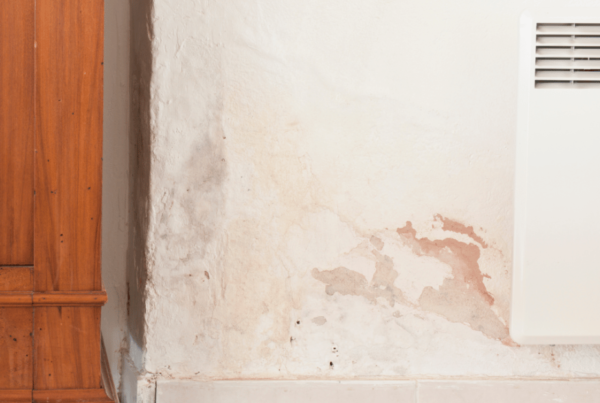
If you notice signs of damp in your property (musty odours, dark patches on walls, peeling wallpaper, or black mould) it’s advisable to seek expert advice before winter intensifies the problem. Not all damp issues require expensive solutions, and we’ll always give you an honest assessment of what’s needed. Sometimes the problem can be resolved with simple repairs or improved ventilation that you can arrange yourself.
Our comprehensive surveys identify the root cause of damp problems, whether it’s rising damp from a failed damp proof course, penetrating damp from external defects, or condensation from inadequate ventilation. We’ll talk you through the findings and help you decide on the best course of action, providing detailed information about any recommended treatments and their costs.
Protect Your Home This Winter with Refresh PSC
With over 50 years of combined experience solving damp problems across London and the South East, Refresh PSC offers honest, expert advice and solutions for all types of damp issues. Our CSSW-accredited surveyors conduct thorough assessments, and all our work comes with insurance-backed guarantees for complete peace of mind.
Don’t let seasonal damp problems take hold in your property this winter. Contact us today to speak with a specialist, or fill out our survey form for a no-obligation consultation. We’ll help you prepare your home properly and protect it from winter’s worst effects.