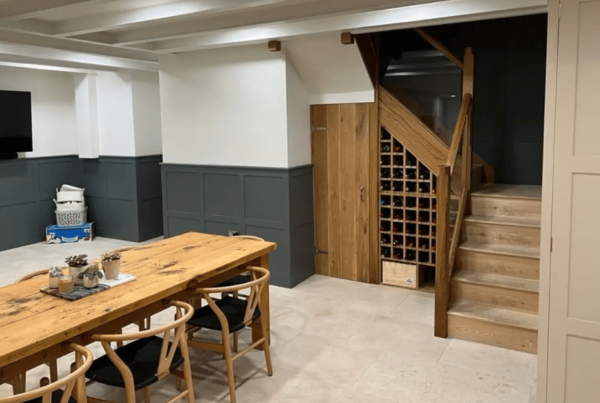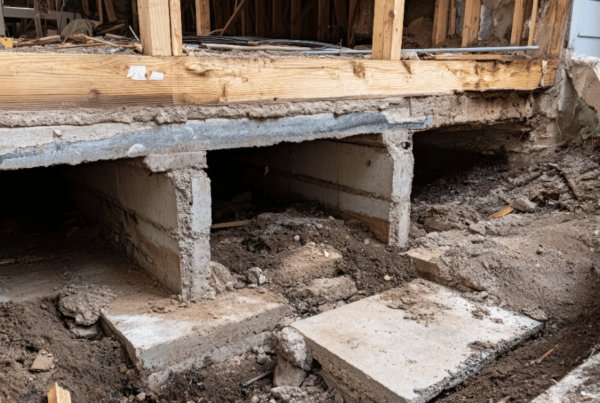

Converting your basement or cellar can transform unused space into a valuable addition to your London home, whether you’re planning a home office, extra bedroom, or entertainment area. However, before any conversion work begins, there’s one critical step that must come first: waterproofing.
Without proper protection against moisture and water ingress, even the most beautifully designed basement conversion will face serious problems. At Refresh PSC, we’ve spent over 50 years of combined experience helping homeowners understand why waterproofing isn’t just important – it’s absolutely essential to the success of any basement conversion project.
Why Is Waterproofing Necessary Before a Basement Conversion?
Basements and cellars sit below ground level, which means they’re naturally vulnerable to groundwater pressure and moisture penetration. The soil surrounding your basement contains water, and during periods of heavy rainfall or when the water table rises, that moisture pushes against your basement walls and floor, seeking any opportunity to seep through.
Without professional waterproofing in place, this constant pressure can cause significant problems. Water ingress leads to damp walls, pooling on floors, and eventually structural deterioration. If you’ve invested in a beautiful basement conversion with new flooring, plastered walls, electrical installations, and furnishings, water damage can destroy everything.
London properties, particularly period homes built before modern damp-proofing standards existed, are especially susceptible to these issues. Many Victorian and Edwardian cellars were designed purely for storage and coal keeping, never intended as habitable spaces. This means they often lack any form of waterproofing whatsoever, making proper treatment essential before conversion work begins.
What Are the Warning Signs That Your Basement Needs Waterproofing?
Before you start planning your basement conversion, it’s worth taking time to assess your cellar’s current condition. Look out for these common indicators that moisture is already affecting your space:
- Damp patches or water stains on walls – These often appear as discoloured patches that change size depending on weather conditions. They indicate that water is penetrating through your walls from external sources.
- Musty or earthy odours – If your cellar has that distinctive damp smell, it’s a clear sign that moisture levels are too high. This odour develops when mould and mildew begin to establish themselves in damp conditions.
- Visible mould growth – Black, green, or white fuzzy patches on walls, ceilings, or in corners signal that your basement has a serious moisture problem that needs addressing before any conversion work.
- Peeling paint or crumbling plaster – When moisture gets behind decorative finishes, it causes them to lose adhesion and deteriorate. This is particularly common in older cellars that have been painted without proper waterproofing.
- Efflorescence on walls – These white, powdery salt deposits appear when water moves through masonry, bringing dissolved salts to the surface. It’s a telltale sign of ongoing moisture movement.
- Pooling water or wet floors – If you notice standing water after heavy rain, this indicates serious water ingress that absolutely must be resolved before conversion.
If you spot any of these warning signs, it’s always advisable to seek expert advice. Our CSSW-accredited surveyors can conduct detailed assessments to identify the extent of any moisture problems and recommend the most appropriate solutions.
Which Waterproofing Methods Are Most Effective?
At Refresh PSC, we specialise in three main types of basement waterproofing, all fully compliant with British Standards (BS8102). The method we recommend depends on your property’s structure, the severity of water ingress, and your specific conversion plans.
Type A Waterproofing
Also known as tanking, this involves applying a physical barrier to the internal or external surfaces of your basement walls and floors. We use industry-leading materials including high-performance sheet membranes, durable cementitious slurries, multi-coat renders, and bitumen-based coatings. This creates a seal that prevents groundwater from penetrating the structure, keeping your basement dry and structurally sound.
Type B Waterproofing
This method is integrated directly into the building structure itself, using specially formulated concrete containing waterproofing additives to resist water ingress. While generally reliable, weak points can occur at construction joints where moisture may penetrate.
Type C Waterproofing
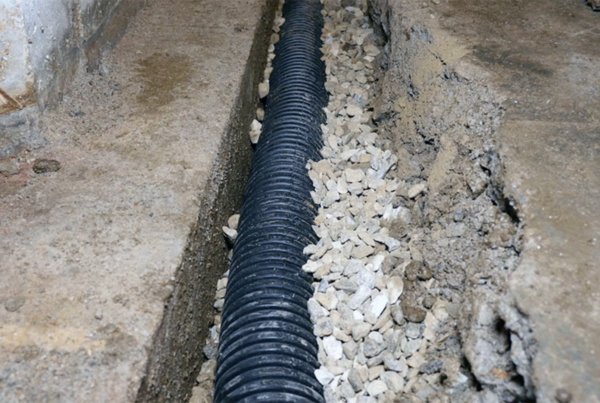
Rather than blocking water entirely, this method manages and redirects it safely. Cavity drain membranes are installed on internal walls and floors to guide water into drainage channels and a sump pump system, which automatically removes it from your property.
Our comprehensive surveys help us determine exactly what your property needs, and we’ll always give you an honest assessment – if only minor work is required, we’ll tell you.
What Are the Benefits of Waterproofing Before Your Conversion?
Investing in professional waterproofing before your basement conversion delivers several important advantages:
- It protects your investment by ensuring that all the money you spend on your conversion (the new flooring, decorated walls, electrical installations, and furnishings) won’t be damaged by water ingress. Water damage can be devastating and costly to repair, potentially destroying your entire conversion.
- Proper waterproofing improves air quality by preventing the damp conditions that allow black mould to thrive. This creates a healthier environment for you and your family, which is particularly important if you’re converting your basement into living accommodation or a space where you’ll spend significant time.
- Professional waterproofing increases your property’s value. Potential buyers want to see dry, usable basement spaces that have been properly protected, not damp cellars that will require expensive remedial work. Having certified waterproofing with guarantees in place provides reassurance and adds genuine value to your London home.
Professional Waterproofing and Cellar Conversions with Refresh PSC
With over 50 years of combined experience solving moisture problems across properties in London and the South East, we understand that proper waterproofing is the foundation of every successful basement and cellar conversion. We’re Trustmark endorsed specialists who provide comprehensive surveys showing exactly what’s needed – and just as importantly, what isn’t. Our honest, customer-focused approach means we’ll never recommend unnecessary work.
Our waterproofing installations typically come with 10-year guarantees, giving you complete peace of mind. Whether you’re planning to convert your cellar into additional living space or simply want to protect your property from damp, contact us today to speak with a specialist or book a no-obligation survey.