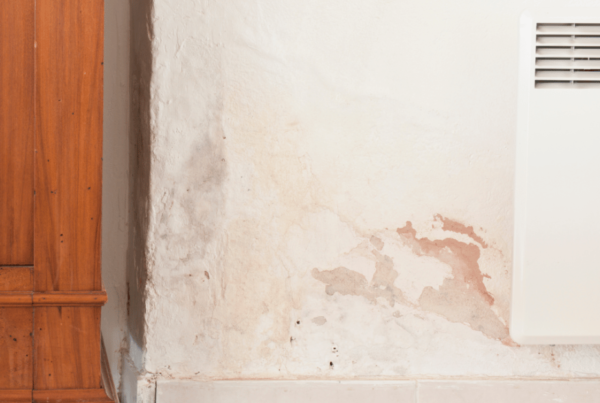

White, powdery streaks appearing on brick walls, plaster, or in a basement could be an indicator of moisture-related issues in a property. These deposits (efflorescence) occur when dampness moves through walls, carrying naturally occurring salts to the surface. While the deposits themselves are not harmful, they’re a visible sign of water affecting the building.
Recognising these dustings or crystalline patches and understanding their causes helps homeowners address potential damp issues early, protecting walls from long-term damage and costly repairs.
What Is Efflorescence?
Efflorescence often looks like a white, powdery residue on walls and is sometimes confused with mould or dirt. It develops when dampness travels through stonework, dissolving salts from bricks, cement, mortar, or plaster. Salts get left behind as the water reaches the wall surface and evaporates. This forms a white or grey coating, known as the following:
- Primary Efflorescence – Usually a white powder; caused by salts organically present in porous building materials like brick, mortar, cement, or plaster that surface moisture.
- Secondary Efflorescence – Typically a grey-white colour; caused by salts introduced from external sources, like groundwater or rainwater, that crystallise on walls.
You’ll most often see efflorescence in basements, ground floors, or external brickwork where damp contact is frequent. Unlike mould, it’s mineral-based rather than biological; its presence always indicates water movement that should be investigated.
What Causes Efflorescence on Walls?
Efflorescence usually occurs as a result of different moisture-related conditions, including long-term and temporary causes:
Rising Damp
Rising damp happens when groundwater moves upward through walls via capillary action. Older properties are more susceptible if the damp proof course (DPC) is missing or damaged. This is especially true for properties built before 1875. Moisture brings salts to the surface, where they crystallise as efflorescence.
Penetrating Damp
Water can also enter walls from outside and is known as penetrating damp. This type comes through damaged brickwork, cracked render, or failed pointing. When water from rain or other external sources penetrates walls, it can carry salts into the masonry. As this moisture dries out, these salts become visible as the familiar white deposits on brickwork.
Basement and Cellar Moisture
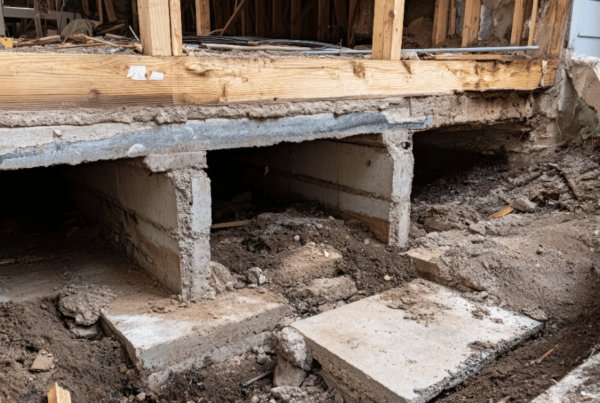
Underground spaces naturally attract moisture through walls and floors. In London, clay soil can create significant hydrostatic pressure. This pushes groundwater against the basement walls and can lead to damp, musty smells and visible efflorescence. In older properties, this is especially common, particularly as these aren’t often built with modern waterproofing.
New Construction
Newly built properties may show temporary efflorescence as excess moisture from construction materials dries out. Usually, this resolves on its own as the building cures. However, persistent deposits often indicate ongoing moisture issues that need attention.
Does Efflorescence Mean You Have Damp?
Efflorescence signals that moisture is moving through your walls. While the deposits themselves are harmless, they often appear alongside other damp symptoms, such as:
- Horizontal tide marks
- Peeling paint or wallpaper
- Soft or crumbling plaster
- Musty, earthy odours
Light deposits may point to minor moisture, while heavier or recurring formations often indicate a more persistent problem. Identifying and addressing the cause early helps protect your walls and avoids more costly repairs later.
Can You Remove or Prevent Efflorescence?
Efflorescence is a sign of moisture moving through your walls. Removing the visible residue is only part of the solution; lasting results come from addressing the underlying cause and taking steps to prevent recurrence.
Surface Approaches to Remove Efflorescence
Common approaches to cleaning the surface include:
- Brushing away loose deposits with a dry, stiff brush
- Gently scrubbing stubborn areas with clean water
- Allowing the wall to dry completely
These methods improve appearance temporarily, but professional support may be needed to help address the underlying cause.
Preventative Measures
Simple steps can reduce the likelihood of efflorescence forming. This includes ensuring gutters, downpipes and drainage systems are clear and working correctly. To prevent water ingress, pointing and render maintenance are important. You should also control indoor humidity and improve ventilation in basements or ground-floor rooms. Damp proofing specialists, like our team at PRD, can help guide you on how to implement simple preventative steps.
When to Call a Damp Specialist
Early diagnosis prevents structural damage and keeps repair costs manageable. Therefore, a professional assessment is recommended if any of the following occur:
- Efflorescence returns shortly after cleaning
- White deposits appear across multiple walls
- Musty odours are present
- Plaster feels soft or crumbles around affected areas
- The property was built before 1875 without a DPC
- Certified treatment documentation is needed for sales or mortgage purposes
Long-Term Solutions for Efflorescence With PRD
Efflorescence is a visible sign that moisture is moving through your walls. Left untreated, it can lead to long-term damage. Identifying the source of moisture is key, and Refresh’s CSSW-accredited surveyors bring over 30 years’ experience in diagnosing and resolving rising damp, penetrating damp, and basement water issues across London and the South East.
By focusing on the root cause, our solutions provide lasting protection, from DIY to professional action. Proper treatment prevents recurring efflorescence, preserves structural integrity, and helps maintain a safe, dry home. With insurance-backed guarantees and compliance with British Standards (BS8102), our work offers peace of mind as well as proven results.
If you notice efflorescence or other signs of damp, Refresh Property Services & Consultants can provide a detailed, no-obligation survey to assess your property and provide guidance. Contact us today, or complete our online form to discuss tailored solutions for your property.