
Victorian homes are among the UK’s most characterful and desirable properties. Built between 1837 and 1901, they used traditional methods that differ from modern building techniques. Solid brick walls, stone and breathable finishes were designed to manage moisture naturally.
When damp issues in Victorian homes appear today, it’s rarely because these buildings are defective. In most cases, damp issues arise when modern alterations interfere with how period properties were designed to perform. Knowing common Victorian house damp problems is important to understanding how they can be resolved.
Why Do Victorian Properties Experience Damp Problems?
There are factors associated with how the building was made that can help you, as a homeowner, understand any damp causes.
No Original Damp-Proof Course
Most Victorian properties built before 1875 were constructed without a damp-proof course (DPC). Instead of relying on physical barriers, they used breathable materials, which allowed moisture to evaporate naturally.
Thick masonry walls, lime-based mortars and plasters enabled moisture to move in and out of the structure. It didn’t become trapped, acting as a successful approach for years.
Modern Alterations That Trap Moisture
Many damp problems in period properties are caused by modern materials. Cement renders, gypsum plasters and non-breathable paints seal walls. As a result, water becomes trapped within the structure, leading to damp patches, salt contamination and plaster deterioration.
Other common contributors include raised external ground levels, blocked air bricks and sealed fireplaces. These changes may seem minor, but they can disrupt how Victorian buildings manage dampness.
The Three Main Types of Damp in Victorian Homes
It can be ineffective and unnecessary to misdiagnose and treat the wrong Victorian property damp causes.
Rising Damp
When moisture from the ground travels up through porous masonry, it can cause rising damp. This type of damp is more common in older properties without an effective DPC. Typical signs include:
- Damp staining up to 1.5 metres high
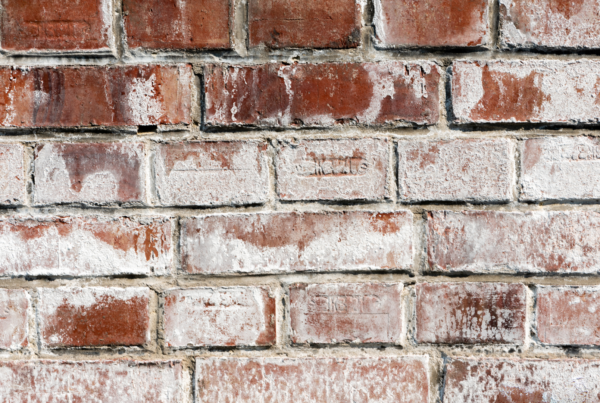
- Salt deposits on walls
- Soft or crumbling plaster
- Decayed skirting boards
Penetrating Damp
Caused by water entering through the building envelope, penetrating damp in Victorian homes is often linked to:
- Defective pointing or brickwork
- Leaking gutters and downpipes
- Damaged chimney stacks
- Cracks around bay windows
Symptoms usually worsen during heavy rainfall and appear as damp patches localised to specific spots.
Condensation
Often mistaken for structural damp, condensation occurs when warm, moisture-laden air meets cold surfaces. Victorian homes are vulnerable, as original ventilation routes (like fireplaces or air bricks) have been blocked. Condensation often presents as mould growth, water droplets on windows and damp patches.
Where Damp Commonly Occurs in Victorian Properties
In Victorian houses, some areas are more susceptible to moisture problems than others.
Basements and Cellars
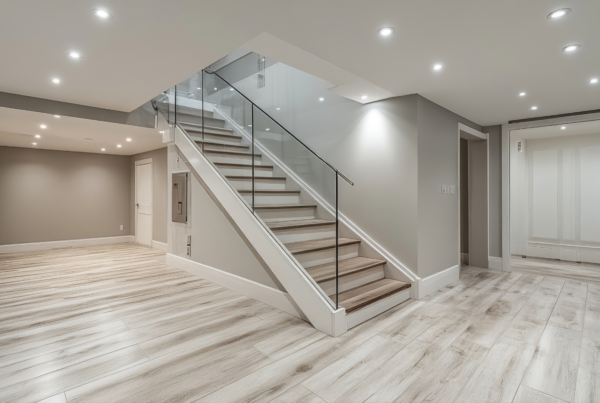
Victorian basements and cellars sit below ground level and face groundwater pressure. In London, clay soils can increase this pressure, forcing moisture through structural weaknesses. Without appropriate waterproofing, these spaces often develop persistent damp and musty conditions.
Bay Windows
Bay windows are a defining Victorian feature, but the junctions between structures can allow water ingress if detailing fails. Cracked copings or deteriorated mortar can permit rainwater to penetrate behind brickwork.
Chimneys and External Ground Levels
Blocked chimneys without ventilation can trap moisture internally. Externally, raised patios, flower beds, or paths built against walls can bridge damp-proof courses. This allows moisture to bypass original protections.
How to Diagnose Damp in a Victorian Property
Before treatment, it’s important to establish what type of damp is present and from where it’s originating. Common indicators include peeling wallpaper, soft plaster, visible mould, salt deposits and musty odours. Damp walls also often feel colder to the touch.
However, visual signs alone are not enough – structural and covert issues could be below the surface. Professional surveys use electronic moisture detection equipment to distinguish between rising damp, penetrating damp and condensation. It ensures the correct solution is applied.
Damp Solutions That Respect Victorian Construction
Sustainable damp treatment requires accurate diagnosis and the right approach for your property:
- Chemical damp-proof course injection uses silicone-based materials to create a moisture barrier in walls that were built without a DPC.
- Physical DPC installation involves inserting mechanical barriers like slate into existing masonry. This works well where walls need a permanent physical layer to prevent ground moisture from rising.
- Basement tanking and structural waterproofing address the groundwater pressure that affects Victorian cellars and basements below ground level.
- Improved ventilation systems help Victorian homes where original ventilation routes have been blocked. This reduces condensation without compromising aesthetics.
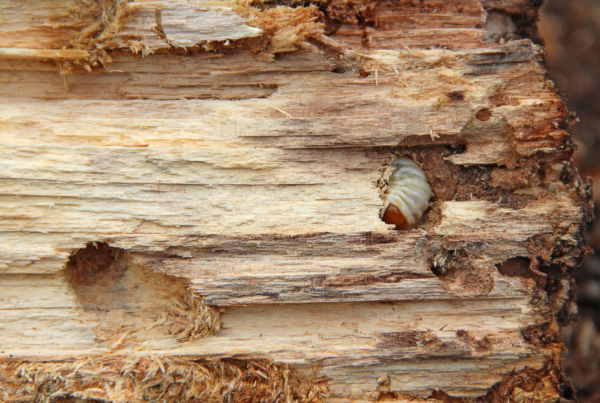
- Timber treatments address decay in skirting boards, floor joists and other woodwork where damp has taken hold. Victorian properties often have extensive timber elements that need protection.
What to Avoid in Period Properties
There are some modern approaches that can cause long-term harm, especially if used only to treat symptoms:
- Cement renders or non-breathable paints on solid walls
- Blocking original ventilation without providing alternatives
- Plastic membranes that trap moisture rather than resolving it
When Should You Seek Professional Advice?
It’s always sensible to seek expert advice if damp affects multiple rooms, persists despite repairs, accompanies crumbling masonry or timber decay or needs an accurate diagnosis for sale or mortgage purposes. A professional assessment provides clarity and peace of mind.
Protecting Your Victorian Home With Refresh PSC
Victorian properties remain safe, dry and valuable when their construction is properly understood. With over 30 years of experience, our Refresh team addresses various kinds of damp in period properties across London and the South East. We provide unbiased, practical advice and 10-year guarantees on our work.
Our CSSW-accredited surveyors deliver transparent recommendations – we’ll tell you when work isn’t needed and recommend minor repairs you can handle yourself when appropriate. Solutions are designed to be effective, durable and sympathetic to Victorian construction. Contact us to discuss damp issues in your home or schedule a no-obligation survey with our damp proofing specialists.