
If your property has cavity wall insulation, there might be connected problems you've noticed. These can include dampness after rainy days or mould around the windows that keeps recurring. Cavity walls were designed to keep rainwater out, but when insulation is poorly installed or fitted to unsuitable properties, it can create a pathway for moisture to reach your internal walls. Cavity wall damp, thankfully, is treatable with straightforward professional solutions.
Below, we explain what cavity wall damp is, what causes it, how to recognise the warning signs, and the treatments available.
What Does Cavity Wall Damp Refer To?
Cavity walls have two layers of masonry – an outer leaf and an inner leaf – separated by a hollow space called the cavity. When it rains, water soaks the external wall but drains down the cavity and exits via weep holes or cavity trays.
Cavity wall damp happens when moisture crosses from the external to the internal wall. This typically occurs when something creates a 'bridge' across the cavity, letting water travel inward.
How Cavity Wall Insulation Can Lead to Damp
Cavity insulation can sometimes contribute to penetrating damp, particularly if it is poorly installed or used in unsuitable properties. Problems arise when it's poorly installed, when wrong materials are used, or when it's fitted to unsuitable properties. Understanding the source of the damp is crucial when looking for treatment options that can solve moisture-related concerns long-term.
Incorrect Installation
Inadequate workmanship is the most common cause. If the cavity isn't inspected before insulation is added, existing problems can worsen. Mortar droppings, debris, or wall ties covered in mortar act as bridges for moisture. When insulation is pumped around these obstructions, water can cross from the outer wall to the inner wall.
Uneven installation causes issues, too. Some loose-fill insulation materials can settle over time, leaving gaps at the top of the cavity. These create cold spots on the inside walls where condensation forms, leading to damp wall patches and mould.
Rain and Exposure
Properties in exposed coastal areas, on hilltops, or in regions facing prevailing winds are at higher risk. Additionally, heavy rain can saturate the outer wall. When insulation is filled throughout the cavity, that material can allow moisture to travel directly to the inner wall.
Structural Defects
Issues with the structure can let water into the cavity regardless of insulation. Cracked render, missing pointing, damaged cavity trays above windows and doors, or faulty guttering all let rainwater in. If these aren't fixed before insulation goes in, the insulation traps moisture inside rather than keeping the wall dry.
Cavity trays are particularly important. They sit above windows and doors to divert water back out through weep holes.
Wrong Insulation Material
Different materials behave differently when wet.
- Mineral wool and cellulose-based products can hold moisture if the cavity becomes wet. This reduces their performance and potentially contributes to damp problems.
- Polystyrene beads and foam are more water-resistant, but even these cause problems if the cavity wall has defects or if the property is highly exposed.
The right material should be chosen during a thorough survey, based on your property's age, construction type, exposure level, and condition.
Inadequate Ventilation
Weep holes allow trapped water to escape from the cavity. When insulation blocks these ventilation points, moisture accumulates in the cavity and eventually penetrates the internal wall. Without ventilation, warm, moist air from cooking and bathing has nowhere to go, leading to condensation on cold walls.
Signs of Cavity Wall Damp
Identifying cavity wall damp early helps save expensive repairs if you decide to damp-proof later.
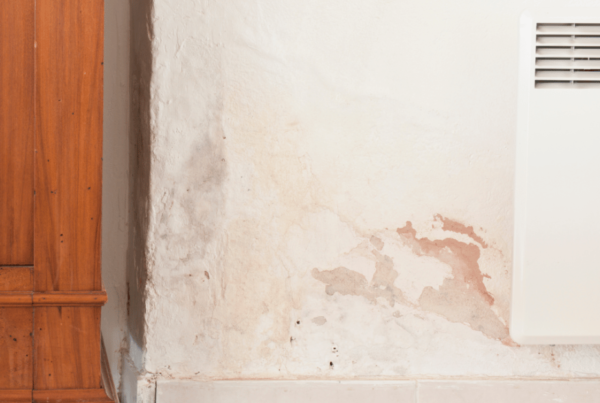
- Damp spots on internal walls – Visible damp patches on walls facing outside can often appear during wet weather and may dry out in summer. Even once dried out, they tend to return when the rain comes back.
- Growing mould – Black mould bordering window frames, in corners, or near skirting boards can highlight extra moisture. This is a health risk, particularly for children, elderly people, and those with asthma.
- Cold spots on walls – Run your hand along an outside wall in winter. Cold spots that feel noticeably colder than the surrounding areas suggest failed or poorly installed insulation.
- Musty odours – A persistent earthy or musty smell signals moisture and mould growth within the cavity walls, even if you can't see visible damp.
- Peeling paint or wallpaper – When dampness affects the internal wall surface, paint blisters and peels, and wallpaper lifts away. In severe cases, plaster can soften.
What Problems Can You Expect?
Left untreated, cavity wall damp can lead to serious issues for your property's structure, your health, and your energy bills.
Persistent moisture corrodes wall ties – the metal fixings holding the inner and outer walls together. When these ties fail, it's a significant structural issue requiring expensive repairs. Damp also damages masonry, making brickwork deteriorate and mortar crumble.
Damp environments let mould thrive. Mould releases spores into your home's air, increasing the risk of breathing problems and allergic reactions. When cavity wall insulation becomes saturated, it loses its thermal performance. In some cases, damp insulation increases heat loss rather than reducing it, acting as a bridge that draws warmth away from your home. The result is higher heating bills and a property that's difficult to keep warm.
How Do You Treat Cavity Wall Damp?
Managing cavity wall damp properly means identifying the root cause and addressing it efficiently.
Professional Assessment
Start with a thorough assessment by an independent surveyor who understands damp issues. This should include inspection of outside walls for cracks, damaged pointing, and missing trays, plus an internal examination of damp patterns.
At Refresh PSC, our CSSW-accredited surveyors use electronic moisture detection equipment to map dampness and identify whether the problem stems from failed insulation, structural defects, or both. We'll tell you honestly what's needed – not all damp issues require expensive solutions.
Addressing Structural Issues
Any defects letting water into the cavity must be repaired before other treatment works. This might include:
- Repointing damaged brickwork
- Repairing or installing cavity trays
- Fixing faulty guttering
- Addressing cracked render
If these underlying problems aren't resolved, removing failed insulation won't solve the damp problem.
Insulation Extraction When Necessary
If the cavity wall insulation has failed and is causing dampness, it may need to be extracted. This involves removing the insulation through drilled holes in the external wall, which are then carefully repointed to match existing mortar. Extraction should only happen after a proper assessment confirms it's necessary.
Prevention Strategies
Once repairs are complete and the cavity is dry, take steps to prevent future dampness. Some practical tips you can implement are:
- Keeping weep holes and air bricks clear
- Maintaining external walls and rainwater goods
- Addressing any signs of dampness promptly
Get Expert Cavity Wall Damp Treatment
Dealing with cavity wall damp and other insulation-related issues can be stressful, but identifying and treating them properly protects your home and your well-being.
At Refresh PSC, we offer comprehensive damp surveys and penetrating damp treatment throughout London and the South East. With over 30 years' experience, our CSSW-accredited surveyors use electronic moisture detection equipment to pinpoint the source and extent of dampness. We provide honest assessments and will always tell you if minor repairs can solve the issue without costly work. All our work comes with insurance-backed guarantees, and we're Trustmark-endorsed specialists, ensuring high-quality standards.
If you're concerned about damp in your property, contact us for a no-obligation survey, or fill out our online form to get started.